
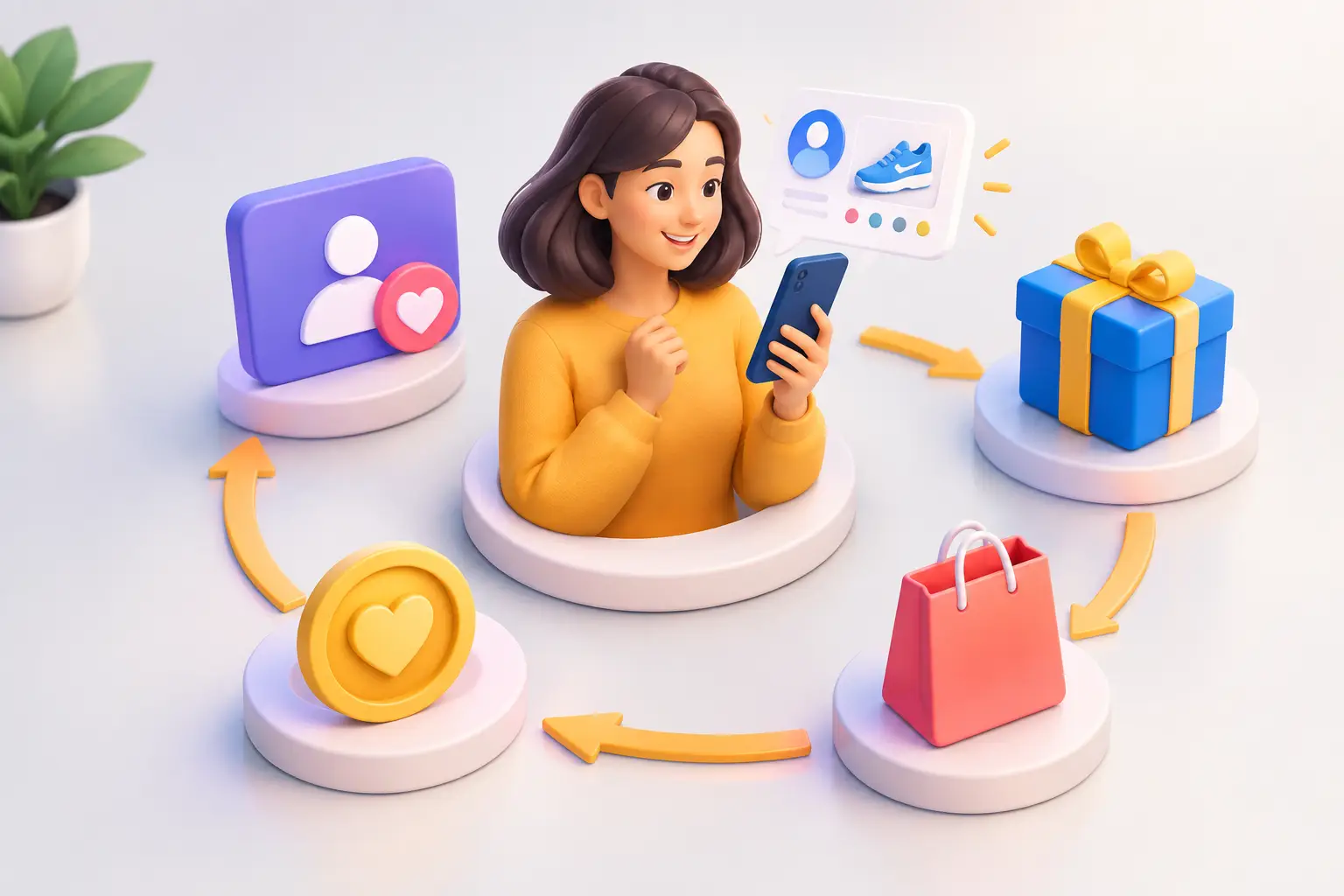
A customer who visits every Friday for a coffee does not need the same message as someone who has not returned for six weeks. That is the real value of loyalty personalisation: treating customers according to their relationship with your business, not as one large mailing list.
For cafés, salons, restaurants, gyms and local retailers, this does not mean building a complicated CRM programme or hiring a marketing specialist. It means using the customer activity already created by your digital loyalty scheme to send more relevant rewards, reminders and offers. Simple. Powerful. Effective.
What loyalty personalisation means for local businesses
Loyalty personalisation is the practice of tailoring loyalty rewards and customer messages around what people do. This might include how often they visit, which location they use, how close they are to a reward, or whether they have stopped coming in.
A traditional paper stamp card can encourage repeat visits, but it cannot tell you who is one stamp away from a free drink. It cannot remind a regular customer about a quiet midweek offer. And it cannot help a multi-site business understand which branch a customer visits most often.
A digital loyalty programme gives you that opportunity. Customers collect stamps through their phones, while your business gains a clearer view of engagement. The aim is not to bombard people with messages. It is to give them a useful reason to return at the right time.
For example, a salon might send a bonus-stamp offer to customers who have not booked for a while. A café could promote an afternoon treat to customers who usually visit in the morning. A gym may reward members for returning after a break. Each campaign has one commercial purpose: encourage the next visit.
Why generic offers often waste your budget
Sending the same promotion to every customer feels quick, and sometimes it is the right choice. A new menu launch, a seasonal event or a branch opening deserves broad attention. But when every message goes to everyone, regulars can receive offers that do not suit them while inactive customers may need a stronger reason to come back.
Generic discounting can also reduce margin without changing behaviour. If a customer was already planning to visit, a blanket offer may simply give away value you did not need to give away. A better approach is to match the incentive to the behaviour you want to influence.
Someone who is close to earning their reward may only need a friendly prompt. Someone who has drifted away may respond better to double stamps or a time-limited treat. A highly regular customer might appreciate early notice of a new product, a thank-you reward or an exclusive offer rather than another discount.
The difference matters. Personalisation is not only about making marketing feel friendlier. It helps you spend promotional effort where it is most likely to increase repeat custom.
Start with the data you already have
The best personalisation starts small. You do not need dozens of customer categories to see results. Most local businesses can create useful campaigns using a few straightforward behaviours from their loyalty programme.
Think about the customers who are active, those nearing a reward, those who have not visited recently and those who have just joined. These groups have different motivations, so they should not always receive the same message.
Reward progress creates an easy reason to return
Customers who are one or two stamps away from a reward are already engaged. They have shown that they like what you offer and understand how your scheme works. A short message reminding them that their reward is within reach can be enough to turn intention into a visit.
Keep the wording positive and specific. “You are one stamp away from your free coffee” is clearer than a vague message about your loyalty card. If you want to increase footfall on a quieter day, add a time limit: “Collect your next stamp before Thursday and be one step closer to your reward.”
Lapsed customers need a relevant nudge
Not every missing customer has gone elsewhere. People change routines, get busy or simply forget. A well-timed return offer can place your business back on their radar without feeling pushy.
The offer should fit your margins and your goal. A double-stamp campaign may work well for a café or takeaway because it encourages another visit without immediately giving away a product. A salon might offer a complimentary add-on with a booking. A retailer could send a small reward linked to a new range.
Avoid sending a win-back message too soon. If someone normally visits monthly, treating them as lapsed after ten days will feel misplaced. The right timing depends on your usual purchase cycle.
New members need to see value quickly
The first few visits are when a loyalty programme becomes a habit or gets forgotten. Welcome new members clearly, explain the reward, and give them a reason to make their second visit soon.
This might be a bonus stamp on their next purchase, a message showing how many visits are needed for the reward, or a useful update on your most popular product or service. The goal is not to offer a discount at every stage. It is to make collecting rewards feel worthwhile from the beginning.
Build campaigns around business moments
Good loyalty personalisation supports the way your business actually trades. Look at your quieter periods, seasonal peaks, new launches and capacity gaps. Then decide which customer group could help you improve that moment.
A restaurant with empty Tuesday tables could invite customers who have not visited recently to earn double stamps that evening. A barber with spare weekday appointments could promote a targeted booking incentive. A bakery could send a rich-image message about a limited weekend item to customers who regularly visit on Saturdays.
This is where digital loyalty is more useful than a card stored in a wallet. You can combine a familiar reward mechanic with timely customer communication. Images, videos, special offers and bonus-stamp campaigns can all make an update more noticeable, provided the message stays focused.
One campaign should usually have one clear action. Visit this week. Try the new item. Collect your next stamp. Book an appointment. When a message tries to do everything, customers are less likely to do anything.
Keep personalisation useful, not intrusive
There is a line between relevant and overfamiliar. Most customers are happy to receive offers from businesses they have chosen to engage with, especially when those offers reflect genuine value. They are less happy when messages arrive too often or appear to make assumptions about them.
Use the information customers expect you to have through their loyalty activity. Reward progress, visit recency and preferred location are practical signals. You do not need to make every message intensely personal for it to perform well.
Frequency matters too. A café with daily traffic may have more reason to communicate regularly than a salon where appointments happen every six weeks. Watch response and redemption rather than assuming more messages will produce more sales. If engagement drops, reduce the frequency or improve the relevance.
It also pays to be transparent. Make it easy for customers to understand what they are joining, what they will receive and how the reward works. Trust makes a loyalty programme more valuable over time.
Make it easy for staff to deliver
Personalisation only works if your team can run it consistently. The programme should not depend on one manager who understands complicated spreadsheets or has time to create a new campaign every day.
Choose a small number of repeatable campaign types and review the results. For many businesses, these are enough: a welcome message for new members, a reward-progress reminder, a quiet-period bonus-stamp offer and a re-engagement message for customers who have been away.
Set clear rules for staff too. They should know how to issue stamps, explain the reward and handle redemptions. A smooth in-store experience matters just as much as the message that brings a customer through the door. If the QR scan is quick and the reward is clear, customers are more likely to use the programme again.
Loyalty Magnet helps businesses manage these activities from a mobile-first platform, combining branded digital cards with targeted marketing and business insights. That means an independent shop can start simply, while a growing brand can keep campaigns consistent across locations.
Measure the behaviour, not just the message
A campaign can look busy without creating meaningful sales. Open rates and views are useful signals, but the stronger question is whether customers returned, collected stamps and redeemed rewards.
Review which offers create visits during the periods you want to improve. Compare bonus-stamp campaigns with direct discounts. Look at whether new members make a second purchase, and whether lapsed customers return more than once. A one-off redemption can be useful, but lasting value comes from rebuilding a habit.
You may find that the most profitable offer is not the biggest one. A modest bonus stamp, sent to the right group at the right time, can outperform a large discount sent to everyone. Test one change at a time so you can see what made the difference.
The most effective loyalty programme feels simple to the customer and manageable to the business. Give people a clear reward, recognise where they are in their journey, and send a helpful nudge when it can genuinely make their next visit more likely.